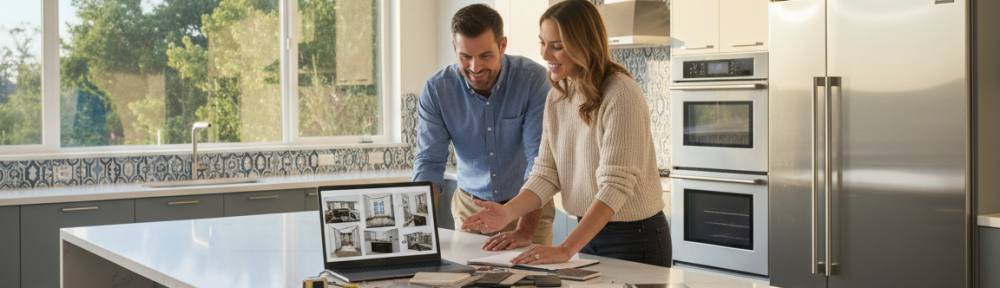
A kitchen remodel dramatically affects everyday routines, reshaping how we use our homes. A well-planned renovation boosts workflow, organisation, and overall style. Even modest improvements, such as new hardware and updated paintwork, can significantly revitalize the kitchen. More extensive kitchen remodeling contractor Seattle WA may include structural changes, including new cabinetry installation and upscale materials.
Getting started starts with a thorough evaluation of the present floor plan, the lighting, storage options, and movement paths. This assessment is essential in determining whether to maintain the existing layout or pursue layout adjustments. Typical remodel scopes include cabinet upgrades, countertop replacements, backsplash upgrades, flooring upgrades, lighting upgrades, appliance replacements, and ventilation improvements.
Collaborating with Renovate Builders ensures a design-centric approach, tight budget control, and code compliance. Their team carefully balances the sweet spot between creative design ideas and practical financial and time constraints. This process guarantees a space that not only enhances day-to-day workflow but also increases the home’s market value.

Key Highlights
- Kitchen renovation enhances everyday life while increasing resale appeal.
- Renovations often span from surface-level updates through to full new kitchen construction.
- Begin by reviewing footprint, storage capacity, lighting quality, plus traffic flow.
- Typical scopes include cabinets, counters, flooring, lighting, plus appliances.
- Partner with Renovate Builders to balance design, budget, and code compliance.
Why A Kitchen Remodel Adds Value To Your Home
Putting money into kitchen remodeling can deliver strong returns for property owners. A smartly planned upgrade can improve resale value and daily-life comfort. Updates that improve cabinets, counters, and appliances often attract home buyers and can provide solid ROI.
Return on investment and buyer appeal
Home buyers typically prioritize modern and functional kitchens when evaluating offers. A mid-range kitchen renovation with durable, neutral finishes can expand buyer interest. Choosing efficient appliances and solid-surface worktops maintains resale appeal without excessive spending.
Everyday benefits beyond ROI
A remodel can also boost day-to-day efficiency. Upgrades like pull-out shelving, full-height pantries, plus improved organisation simplify busy mornings. Better lighting and newer appliances reduce utility bills while improving usability.
Real examples and realistic expectations
Real remodels show practical ways to impact your kitchen. One remodel relied on a pull-and-replace approach to keep plumbing and electrical, opening budget for high-impact finishes. Another remodel straightened angled cabinets and added full-height subway tile to update the room without major structural work.
Renovation costs vary widely. Small projects can cost $5,000–$15,000, while full renovations frequently surpass $25,000–$50,000 when including layout changes or higher-end finishes. Expect additional costs such as permit fees, possible hidden repairs such as mould dated wiring, and waste removal.
Renovate Builders offers realistic pricing guidance while guiding decisions to maximize renovation value. Their in-home consultations help set realistic timelines and prioritise updates that provide the best combination of day-to-day usefulness and long-term resale appeal.
Planning Your Kitchen Remodel: Goals, Budget, And Timeline
Before you start demolition, review how your current kitchen functions. Review layout efficiency, storage access, lighting, where appliances sit, and traffic flow. Identify what needs improving, such as a tight island or a refrigerator that’s hard to reach. At the same time, note what’s worth keeping, such as working appliances, walls in good condition, and existing plumbing or electrical to keep costs down.
Evaluating Your Current Kitchen
Conduct a detailed walkthrough using a checklist. Confirm clearances around the stove, sink, and refrigerator. Evaluate cabinet storage capacity for depth and accessibility. Analyze how light impacts cooking areas. Explore simple tweaks to enhance functionality, such as switching some upper cabinets to open shelving or swapping a peninsula for an island.
Creating A Realistic Budget And Priorities
Establish your budget range for the remodel. Budgets commonly range from $5,000–$15,000 for basic updates through to $25,000–$50,000 and beyond for premium renovations. Focus on long-lasting investments like cabinetry, countertops, plus durable floors.
Look into costs across cabinet styles and counter materials. Consider local labour rates and set aside contingency funds for unforeseen costs. This method keeps costs under control.
Identify cosmetic elements you can postpone, such as statement backsplash tile designer lighting. This strategy helps you prioritise core upgrades without overextending.
Creating Your Timeline With Renovate Builders
Outline the project in phases: design and selections, permits and approvals, demo, plumbing and electrical rough-ins, installation, and final touches. Renovate Builders coordinates the programme to ensure steady progress.
Use smart tactics to streamline the process. Leave appliances in place so you avoid expensive reconnections. Explore a pull-and-replace approach to minimize major structural work. Time purchases during sales to maximise your spend.
Defined milestones and open communication are essential for hitting deadlines and responding to unexpected issues. With solid planning, a realistic budget, and a structured timeline, your kitchen remodel can deliver great results.
Designing An Efficient Layout That Works For Your Lifestyle
Start by thinking about how you use your kitchen each day. A well-considered layout supports cooking, entertaining, and quick weekday routines. It shapes storage options, work surfaces, and traffic flow, so you get a smooth, natural experience during renovation.
Each floor-plan style offers distinct benefits, shaped by space constraints and personal habits. Select a configuration that fits your home’s flow and your meal prep movements for best usability in a modern kitchen design.
Popular Layouts And How To Choose One
The U-shaped plan optimises counters and cabinetry. It works well if you prioritise prep zones and storage without needing an island.
The L-shape layout is ideal for open-concept living. Pair it with a kitchen island to create a social centre while maintaining efficient prep and clean-up.
Galley kitchens perform brilliantly when space is tight. Using smart storage and clear pathways, they allow two cooks seamlessly.
Single-wall layouts are a strong fit for studios or tight floor plans. Incorporate tall storage plus clever organisers to increase storage capacity.
Island-focused designs deliver seating space and prep zones. Choose this when hosting and social cooking matter most for a custom-kitchen vibe.
Work Triangle And Zones For Better Efficiency
Locate the sink, cooktop, and fridge so they form a compact, unobstructed triangle. Try for short, direct paths between these key points to reduce steps.
Split the space into zones: prepping, cooking, clean-up, storage, plus consumables. Outfit each zone with the right surfaces and storage—deep drawers for cookware, slide-out pantry shelves for pantry items.
Create small task stations such as a coffee or breakfast niche. These stations support everyday routines while reducing cross-traffic in peak morning hours.
Keeping Or Changing Your Footprint
Sticking with the current footprint lowers costs and often avoids big permits. A pull-and-replace update targets surfaces and fixtures, and keeping plumbing and electrical unchanged.
Changing the footprint opens up fresh possibilities yet raises both cost and timeline. Removing a wall to join a 12×10 kitchen to a nearby room can create a larger 26×12 area, ideal for entertaining and an island-centric layout.
Shifting appliances into old pantry space can enhance traffic flow and free up counter zones. Weigh the hidden repair risks and structural work against the lifestyle benefits before deciding.
Utilize these approaches to create a modern, practical kitchen design that aligns with your daily life. Careful decisions around layout, zones, and footprint create a tailored kitchen that looks great and works well.
Kitchen Remodeling: Materials, Finishes & Feature Choices
Material selection is crucial for defining both the look and function of your kitchen. Opt for durable surfaces in high-traffic zones and add personal touches to give the kitchen your own character.
Cabinetry options run from cost-effective stock units to bespoke designs built for unique layouts. Semi-custom cabinetry offer a middle ground, mixing customization with affordability. Budget-friendly alternatives often include refinishing or repainting current cabinets, or adding trim to upgrade how stock cabinets look.
In small kitchens, strategic storage solutions are a must. Incorporate pull-out shelving, deep drawers for pots and pans, plus vertical pantry storage for bulk items. Extra features like built-in spice racks, cutlery/utensil dividers, and under-sink organisers enhance function. Full-height cabinets and curated open shelving maximize available space and giving quick access to everyday items.
Countertops span many materials, matching different budgets and ways of living. Quartz is often a top choice thanks to its low-maintenance nonporous surface, ideal for modern kitchens. Granite and marble deliver a classic stone feel but require more upkeep. For those on a budget, laminate, butcher block, tile, and stone remnants can offer a stylish, affordable option.
A backsplash can add colour while protecting the wall surface. Opt for full-height subway tile to enhance vertical height. Patterned tile, like Moroccan designs, can become a visual focal point behind the cooktop. Porcelain tiles that mimic marble provide a luxe look at a more affordable price. Consider grout colour and sealant to limit future maintenance.
Choosing flooring significantly impact both warmth and durability. Solid hardwood or engineered timber deliver a classic, warm feel. Tile and wood-look porcelain are a great fit in moisture-prone areas. Vinyl or laminate can imitate timber or stone at a lower cost, so they’re a budget-friendly choice. Select your flooring based on use patterns plus cleaning needs.
Wall colours plus cohesive finishes are key for creating a cohesive look. Light neutrals like white, soft grey, and pale blue can help make a room appear larger. Two-tone cabinets, with a lighter perimeter and a darker island, brings a modern contrast. Feature hardware in brass or matte black, combined with a painted range hood or stainless open shelves, can pull everything together.
When choosing features, prioritize options that provide long-term durability. Invest in countertops and cabinet fronts where wear shows the most. Allocate funds for decorative elements such as feature lights or open shelving to maintain a balanced budget. Utilizing stock cabinetry with custom panels or repainting can deliver an upscale look without overspending.
Smart Lighting, Appliances, And Modern Kitchen Design Trends
Upgrading a remodel with great lighting and smart appliance choices transforms it from basic to brilliant. Good lighting improves safety and visibility while highlighting feature zones. Energy-efficient appliances lower utility costs and make cooking easier. This guide helps you blend smart lighting with energy-saving appliance choices for a unified modern kitchen design.
A layered lighting plan, mixing ambient + task + accent lighting, meets all needs. Recessed ceiling lights create general illumination. Under-cabinet LED strips plus island pendants provide task lighting. Accent lighting in toe-kicks and inside cabinets showcase finishes while adding depth.
Dimmers and lighting zones enable fast mood changes. Brighter task lighting enhances meal prep and safety. Warm accent lighting deliver a welcoming vibe for evening gatherings. This plan supports daily cooking and hosting.
Appliance selection impacts budget and appearance. Opt for ENERGY STAR-rated refrigerators, dishwashers, and ranges to reduce energy use. Models from Bosch or GE Profile provide a seamless look. Refacing existing cabinetry or replacing appliances during sales can save money.
Smart features add convenience. Wi-Fi ovens and smart refrigerators from Samsung or LG allow remote preheating and grocery tracking. Balance smart features with long-term payoff plus repairability. Some features are cost-effective in every kitchen remodel.
Today’s trends lean toward clean lines with mixed materials. Two-tone cabinet schemes, open shelves, and full-height backsplashes are in demand. Statement range hoods with custom wood cladding create visual drama. Sustainable choices including bamboo and recycled glass work well with durable quartz counters and porcelain tile that mimics marble.
Even modest changes can make a big difference to a kitchen. Painting cabinets can refresh midcentury kitchens. Lighter upper cabinets improve visual lines. Changing a peninsula into an island enhances movement in open plans. A custom hood can anchor the space and justify additional modern details during a kitchen upgrade.
- Layered lighting plan: recessed + under-cabinet + accent LEDs
- Appliances: choose ENERGY STAR options and consider integrated panels
- Materials: quartz counters, porcelain floors, reclaimed wood accents
- Smart options: Wi-Fi ovens and connected refrigerators for daily ease
Budget-Friendly Strategies For A Kitchen Upgrade
Choosing smart updates transforms a budget kitchen update into a smart project, not a simple cheap-out. Simple strategic updates can significantly alter the kitchen’s style and usability, while keeping costs manageable. Concentrate on changes that deliver the biggest visual and functional payoff before considering big layout changes or system moves.
High-Impact Low-Cost Updates
Painting cabinets or walls can instantly refresh a room at a fraction of the cost of full replacements. Swapping outdated knobs and pulls to modern hardware can also deliver a cohesive look. Peel-and-stick backsplash tile provide fast impact with minimal effort and minimal clean-up.
Installing under-cabinet lighting can brighten prep zones, and adding new light fixtures, like simple pendant fixtures, can anchor the design. Selective counter upgrades in key spots, like a prep island, can transform the overall look without replacing every surface.
Refinish Vs Reface Vs Replace
Opt for refinishing or repainting if the cabinet carcasses are sound and only the faces look tired. Refacing doors and drawer fronts offers the appearance of new cabinets on a tight budget. Replace entire cabinets when the layout must change, if water damage is significant, or durability matters most.
Use the same logic to countertops. Try overlays or refinishing kits to save short-term. Invest in full replacement if you want a surface that lasts like quartz or granite to improve resale value and daily use.
Buying Smart: Timing And Sourcing
Buy during big sale periods like Black Friday, Memorial Day, and end-of-season clearances to maximize your budget. Shop stone yards for remnants and off-cuts if you want quartz or granite; these remnants often work for an island or small runs for significant savings. Outlet stores and manufacturer clearances can yield appliances at lower prices.
Consider reclaimed timber or salvaged tile for character accents that add character and can save money. Keep major appliances in place to prevent costly utility changes. Use stock or RTA cabinets to save significantly, and allocate more funds to long-life items such as countertops and quality cabinet faces.
DIY Vs. Pro Balance
Tackle painting stick-on backsplash installation, and hardware changes as DIY jobs to cut on labour. Assign plumbing and electrical to licensed professionals to stay code-compliant and prevent major mistakes. If in doubt, bring in a pro for structural, gas, or tricky appliance installs.
Create a workable mix of DIY tasks and professional tasks to meet schedule and quality targets. That balance promotes a smooth kitchen upgrade and safeguards your spend in the bigger home improvement project.
- Paint cabinets and walls for immediate impact
- Refinish or reface first when the boxes are in good shape
- Use sales, outlets, and remnants to stretch your budget
- DIY cosmetic work; hire pros for systems and code-related tasks
- Prioritise long-lasting items and keep appliances to avoid utility moves
Contractors And DIY Tips For Kitchen Remodel Success
Taking on a kitchen renovation requires a clear plan, steady communication, plus practical choices. Whether you’re choosing a full-service team or doing DIY on smaller tasks, minute planning reduces stress and saves budget. Below are essential steps to support a successful remodel.
Renovate Builders begins with a site assessment to identify structural needs and potential savings. They develop a line-item budget, detailing materials, labour, and permit fees. They advise whether to keep the footprint to keep costs and disruption down, or adjusting it for longer-term payoff.
The company organises subcontractors and trades, organises permit reviews, and sequences work to reduce downtime. Applying pull-and-replace methods and bulk sourcing helps prioritize key finishes and controlling costs for homeowners.
Hiring professionals vs. DIY tasks
Certain tasks work well for DIY work, including painting, installing peel-and-stick backsplash tile, changing handles and pulls, and assembling RTA cabinets. These updates are manageable by a capable homeowner, reducing labour costs and refreshing the look quickly.
Professional tradespeople are a must for plumbing, electrical, structural work, and complex installs. Hiring contractors for system work helps ensure safe outcomes, compliance with codes, and smooth inspections. It’s worth it to confirm warranties and post-completion support when selecting a contractor.
Contractor vetting: quick checklist
- Review recent feedback and request examples of completed kitchen remodels.
- Verify state licenses and current insurance policies before you sign.
- Request written, line-item estimates and clarify who manages permits and waste removal.
- Contact references and ask about timeliness and communication.
Staying organised during construction
Set up a central project binder or a shared digital folder for plans, contracts, permits, product selections, and receipts. Having one source reduces misunderstandings and keeps decisions accessible when things get hectic.
Establish communication standards with daily or weekly updates. Agree on checkpoint reviews for demolition, rough-ins, inspections, and final installs. A temporary kitchen plan helps you function while the work happens.
Scheduling and budget tips
| Task | Who Handles It | Timing Tip |
|---|---|---|
| Deliveries and staging | Homeowner with contractor coordination | Time delivery right before installation to avoid storage problems |
| Plumbing/electrical rough-ins | Licensed professionals | Complete early in sequence to prevent rework |
| Cabinet and countertop installation | Specialized installers or Renovate Builders teams | Reconfirm measurements after rough-ins to avoid delays |
| Finishing touches and inspections | Contractor and inspectors | Allow a buffer for punch-list work and unexpected repairs |
For homeowners who want long-term home improvement, combining some DIY tasks with professional help produces the best results. Renovate Builders can help guide timing, sourcing, and project phasing to keep everything on track while safeguarding your cost and schedule.
Inspiration And Practical Kitchen Remodel Ideas
As you plan a kitchen renovation, look for inspiration from real projects. Many successful remodels retain the original layout while updating finishes. For example, square off angled 1990s cabinets, bring in open shelves, or showcase a custom hood. These changes can update a kitchen without a complete overhaul.
Small but high-impact changes can significantly alter how a kitchen feels. Think about two-tone cabinetry, reorienting or enlarging an island, or recessing the fridge for a built-in look. Running tile to the ceiling adds a sense of height. Choose porcelain tiles mimicking Carrara marble and butcher-block island tops for a high-end look at a lower cost.
In small kitchens, pick layouts such as galley, one-wall, or L-shape to maximise efficiency. Add tall storage, pull-out pantries, plus compact islands/banquettes. Light tones and reflective surfaces can make the kitchen feel bigger. Incorporate bold touches such as patterned floors, Moroccan tile accents, or vintage pieces to add personality without overspending.
Explore sustainable, budget-friendly options like refinishing instead of full replacement, using reclaimed wood, and selecting energy-efficient appliances. Combine inspiration with practical planning. Focus on durable finishes, verify structural requirements, and work with Renovate Builders. They will help convert ideas into a workable plan with defined costs and schedules for your renovation.
Related: Why Basement Remodeling Seattle Supports Long-Term Home Value